Volcanic wines—doesn’t that sound romantic and exciting? The term evokes dramatic volcanic landscapes, vineyards on steep slopes, bright sunshine, and wines rich in unique character. All of this is true, and volcanic wines have recently come into the spotlight of the wine community.
The secret of the minerality of volcanic wines
When we talk about wines from volcanic soil, it’s not just a geological specificity but also an aromatic one. Wines from volcanic soils are characterized, as wine experts note, by pronounced minerality. At the Second International Conference on Volcanic Wines held in New York, researchers presented an attempt to explain the emphasized minerality of volcanic wines through the language of chemistry and physiology. In this context, it was suggested that part of this impression is a result of higher acidity in volcanic wines, as taste receptors can perceive sour flavors as salty under certain circumstances. These circumstances are products of soil characteristics. It was noted that the degradation of lipids in wine, in the presence of metals such as iron and copper—both of which are often found in volcanic soil—creates a strong mineral flavor component.
From Tokaj to Santorini
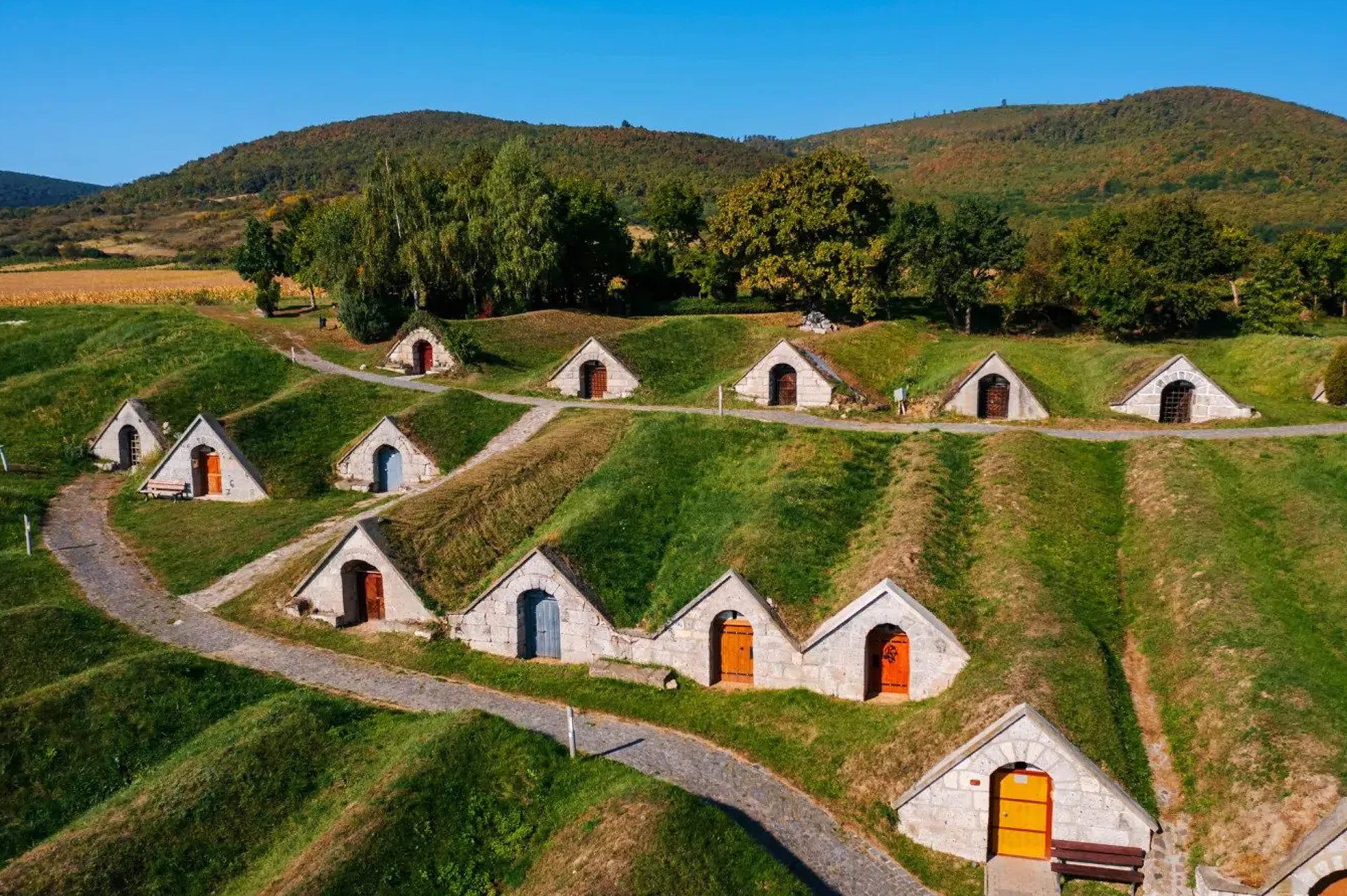
Europe is rich in vineyards on volcanic terrain. In Tokaj and Eger, Hungary, grapevines grow on tuff formed during volcanic processes, while volcanic wines from Somló have complex aromas of smoke and stone. On the Azores Islands, local winemakers have a saying that they, basically, dig hardened magma to plant grapevines. On the steep slopes of Etna, extremely hard work goes into a production of wines with a distinctly strong local identity.
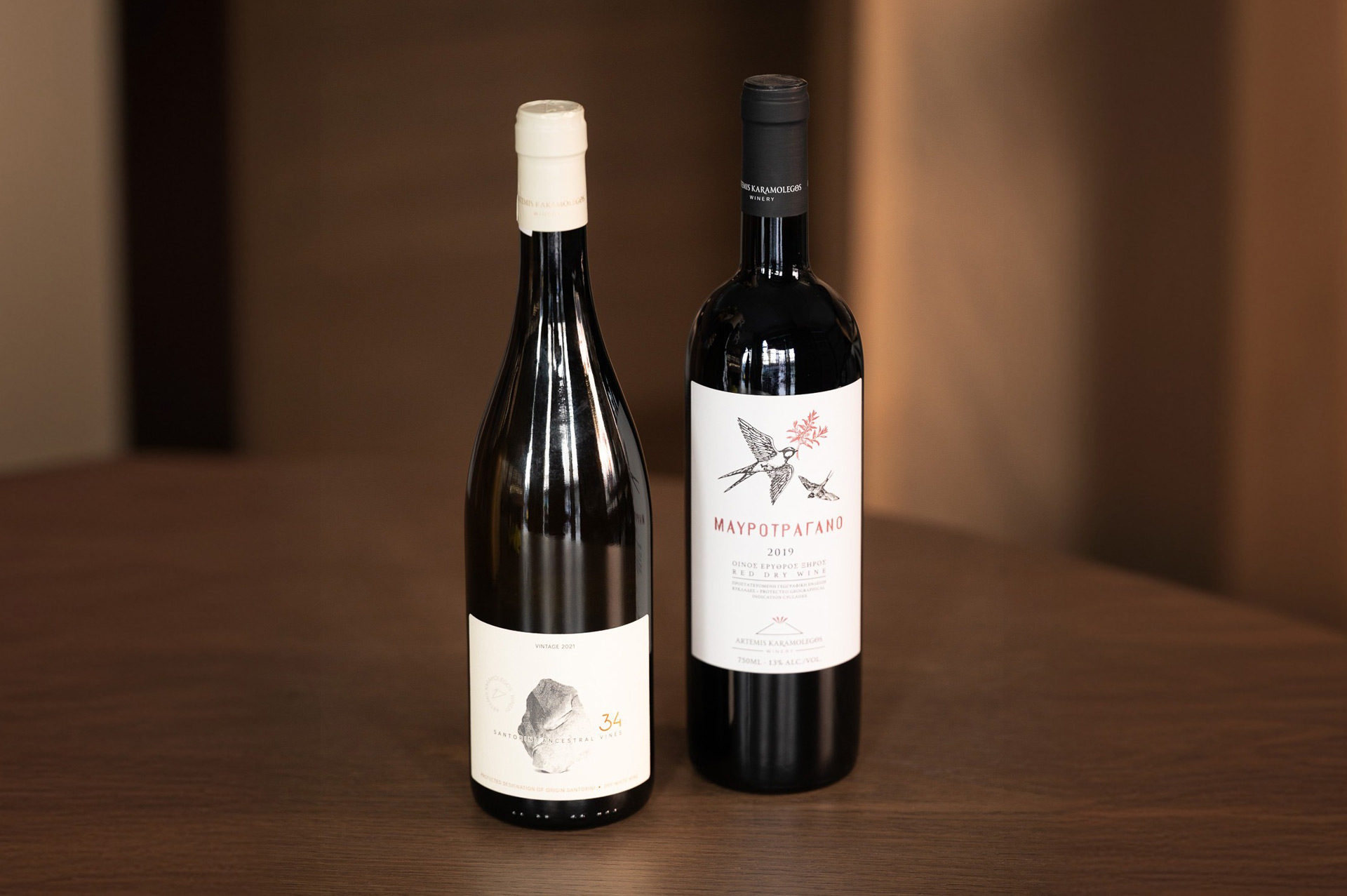
The island of Santorini was the site of events that reshaped the geological and human history of Europe. The eruption of the Tera volcano destroyed the Minoan civilization and left behind the Santorini caldera, a picturesque wine landscape. Recently, winemakers on this unusual terrain have managed to translate the geological history of their island into wines that tell the story of this ancient eruption. Defying strong winds and battling heat, Santorini winemakers produce Assyrtiko wines that mature slowly but thoroughly. According to volcanic wine authority John Sabo, they develop a character akin to the rocks from which they originated.
Šumadija – land shaped by eruptions
The hilly region of Šumadija is full of good wineries and vineyards where both indigenous and international grape varieties grow. Some of the houses that defined modern Serbian wine have emerged from this soil. When we look at the gentle terrain of Šumadija, it’s hard to imagine that it was the site of intense volcanic activity 40 million years ago. It was formed during the creation of the Dinaric Alps, with powerful explosive eruptions, including those on Mount Rudnik. These events were no less fierce than the violent eruptions of more recent epochs, leading to significant soil diversity, mixing it, and making Šumadija’s soil exceptionally varied. Because of this, micro-locations in Šumadija are extremely important, and it happens that two neighboring plots have completely different soil profiles. The world is just beginning to recognize the aromatic treasures of volcanic wines. They are witnesses to a rich geological history and unique reflections of their terroir.